
RUO Disclaimer: The materials provided on this website are intended exclusively for laboratory research purposes. They are NOT intended for use as food additives, drugs, cosmetics, or any other application involving human or animal subjects.
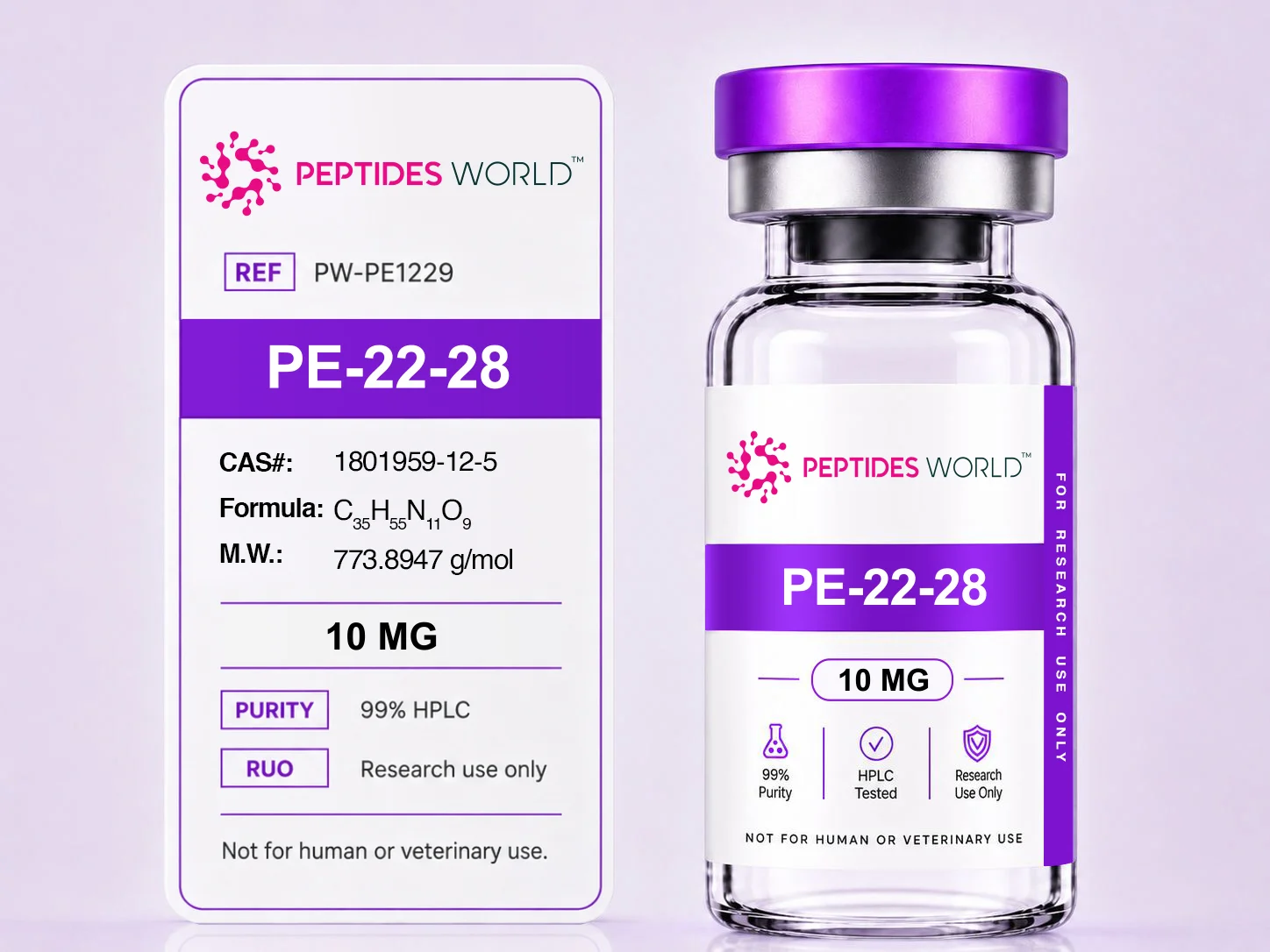
PE-22-28

- 30 sold in the last 24 hours
- Order in 1h 1min for same-day shipping
99.2% Purity Verified
Third-Party Tested by American Institute of Peptides• HPLC & MS
#Batch: BI001
 Oct 20, 2025
- SSL Secured
- Secure Checkout
- Guaranteed Delivery
- Third-Party Tested
Product Description
PE-22-28 is a synthetic neuroactive heptapeptide studied in laboratory research involving neuronal signaling, potassium channel regulation, synaptic communication, and neurobiological pathway analysis. It is a shortened peptide fragment derived from spadin, a naturally occurring peptide associated with the sortilin pathway. PE-22-28 has gained scientific interest because of its interaction with the TREK-1 (KCNK2) two-pore-domain potassium channel, a target involved in regulating neuronal excitability and membrane signaling.
The Maxoratide PE-22-28 Peptide is a high-purity research compound designed for in-vitro investigations involving ion channel biology, neuropharmacology, peptide-receptor interactions, and cellular signaling mechanisms.
Research on PE-22-28 focuses on understanding how small synthetic peptides can influence neuronal communication pathways and potassium channel activity. As a molecular research tool, it provides scientists with a model for studying TREK-1-related signaling, neuronal membrane regulation, and peptide structure-function relationships.
Supplied as a stable lyophilized peptide powder, PE-22-28 is intended exclusively for in-vitro laboratory research and analytical applications. Proper storage and controlled laboratory handling procedures are recommended to maintain peptide integrity.

Mechanism of Action
PE-22-28 is primarily studied through its interaction with neuronal potassium channel pathways and intracellular signaling mechanisms.
1. TREK-1 Potassium Channel Research:
PE-22-28 is investigated for its ability to interact with the TREK-1 (KCNK2) two-pore-domain potassium channel. Researchers use this peptide to examine how potassium channel modulation influences neuronal membrane activity.
2. Neuronal Excitability Studies:
TREK-1 channels contribute to controlling electrical activity in neurons. PE-22-28 research models explore how changes in channel activity affect neuronal signaling properties.
3. Ion Channel Pharmacology Research:
PE-22-28 serves as a tool compound for investigating peptide-based regulation of ion channels and related cellular communication pathways.
4. Synaptic Signaling Research:
Laboratory studies examine PE-22-28 within models focused on neuronal adaptation, synaptic communication, and neurobiological signaling networks.
5. Peptide Structure-Activity Studies:
Due to its shortened structure, PE-22-28 is studied to understand how specific amino acid sequences contribute to molecular interactions and biological activity.
Product Specifications
- Molecular Formula
- C35H55N11O9
- Molecular Weight
- 773.8947 g/mol
- Sequence
- Gly-Val-Ser-Trp-Gly-Leu-Arg (GVSWGLR)
- Purity
- ≥99% (HPLC verified)
- Form
- Lyophilized powder
- Appearance
- White to off-white powder
- Solubility
- Soluble in water, bacteriostatic water
- Storage
- -20°C (lyophilized), 2-8°C (reconstituted)
Have Questions? We Have Answers
Are these peptides for human use?
No, they are for research use only.
How are quality standards maintained?
Every compound we carry is independently tested by accredited third-party laboratories before distribution. Testing includes HPLC purity analysis, mass spectrometry identity confirmation, heavy metals screening, and endotoxin testing. Batch-specific COAs are available for every product.
Can I purchase peptides in bulk?
Yes. We offer tiered wholesale and bulk pricing for qualified research organizations and volume buyers. Visit our wholesale page or contact us directly to discuss available quantities and pricing structures.
How should I store peptides?
Lyophilized peptides should be stored at -20°C in a dry, dark environment. Once reconstituted, store at 4°C and use within a timeframe appropriate to your research protocol. Avoid repeated freeze-thaw cycles to preserve compound integrity.
Do you ship internationally?
We currently ship within the United States. Contact our support team for inquiries regarding international availability to your specific region.
Related Products
- HPLC Verified
- COA Available
- Batch Tested
$89.90
- HPLC Verified
- COA Available
- Batch Tested
- HPLC Verified
- COA Available
- Batch Tested
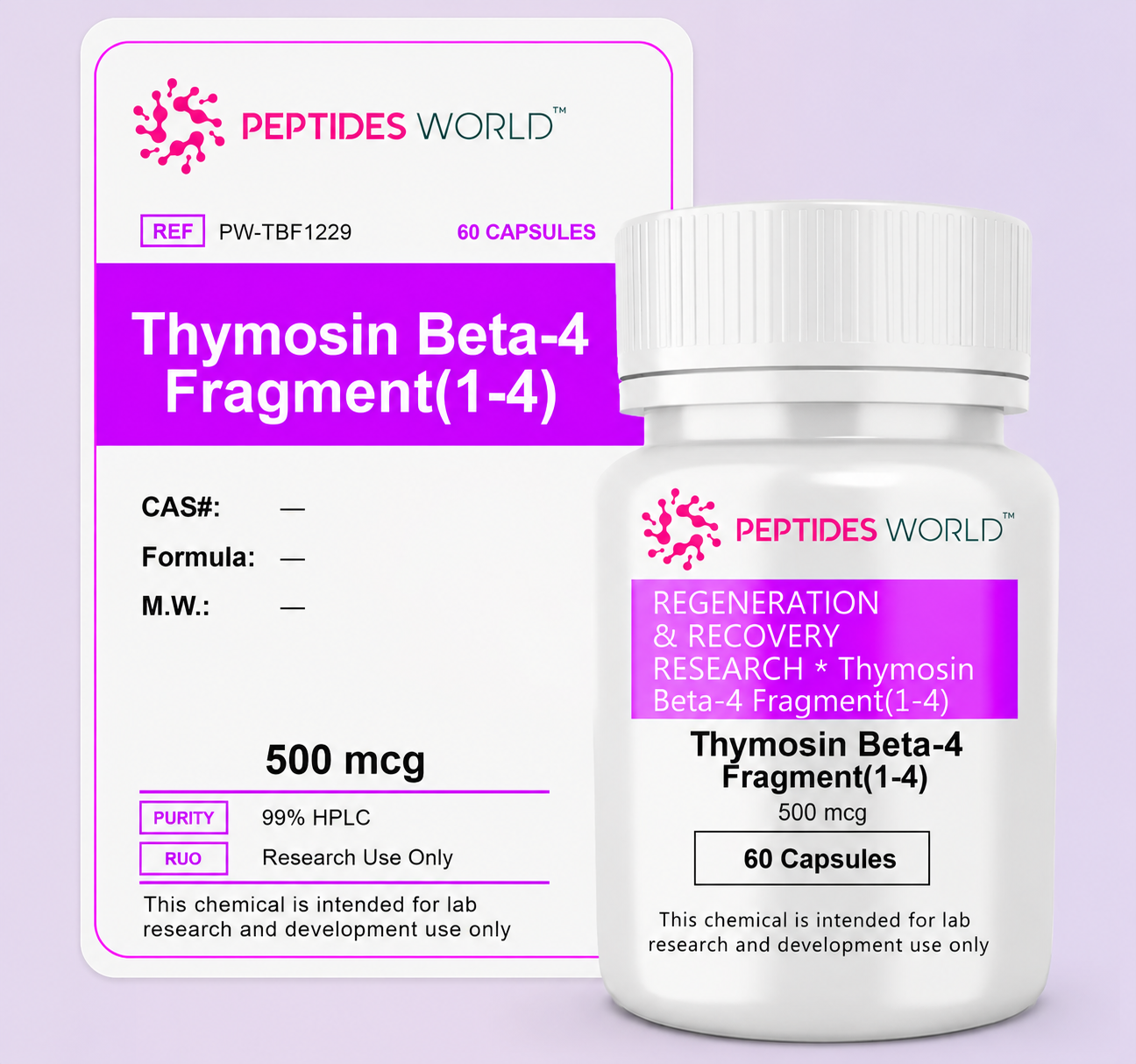
- HPLC Verified
- COA Available
- Batch Tested